.png)
Male Tummy Tuck
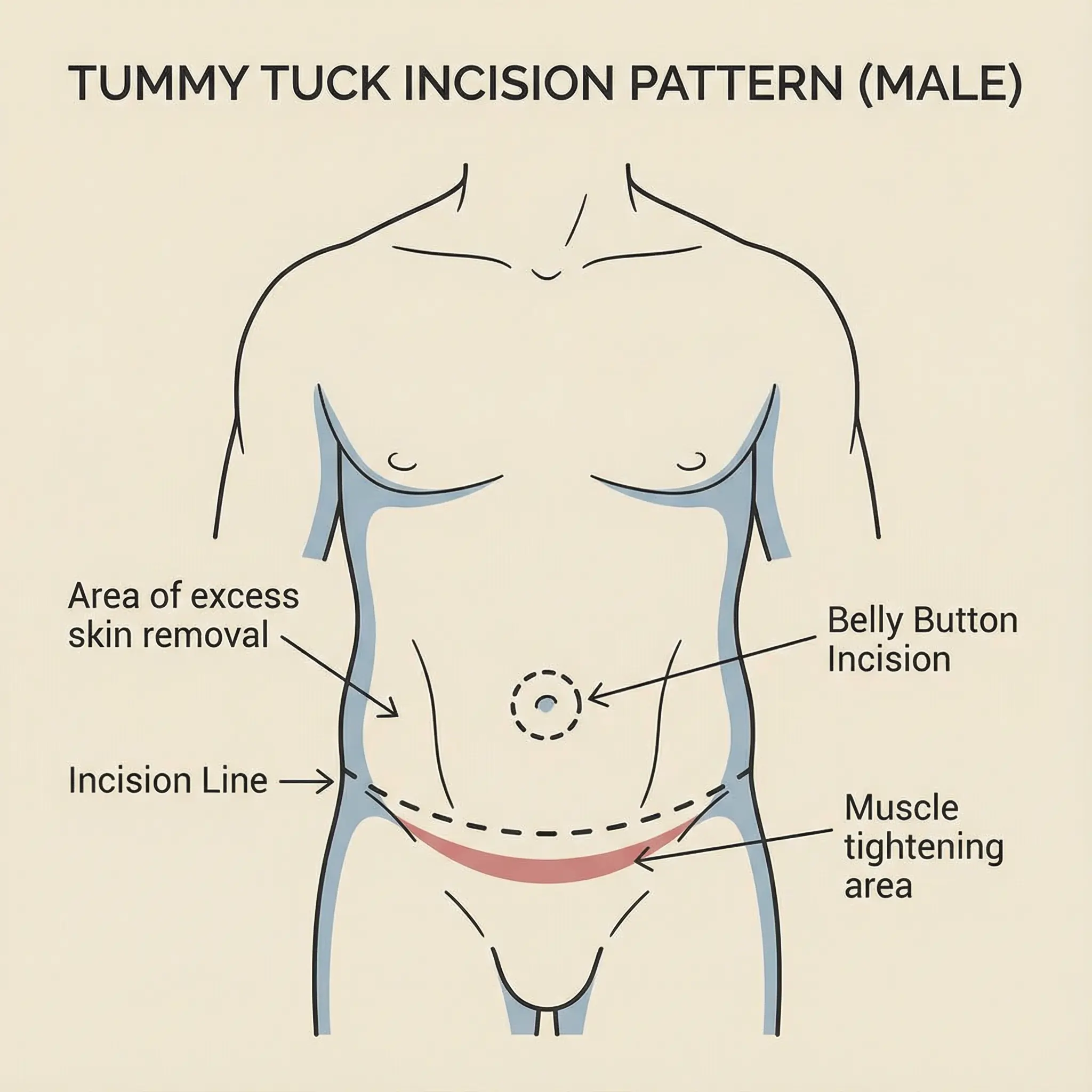
A male tummy tuck (abdominoplasty) removes excess abdominal skin and fat while tightening muscles for a flatter, more defined midsection ideal for men after weight loss, aging, or stubborn "beer belly" fat resistant to diet/exercise.
How It Works
Men often develop loose skin, fat pockets, and weakened abs from major weight loss or genetics. Unlike liposuction alone, a tummy tuck excises skin/fat and repairs the abdominal wall.
Flatter stomach, defined waist.
Removes excess skin and stubborn fat pockets to reveal the progress you’ve already made especially after weight loss.
Stronger core
Repairs abdominal wall laxity (including diastasis when present) to support a firmer midsection and improved core function.
Masculine contours
Male-specific planning enhances cleaner lines and a more athletic torso without an over-sculpted or unnatural look.
Boosted confidence
Men often feel more comfortable at the beach, in the gym, and in daily life making it easier to stay consistent long term.
Am I a Good Candidate?

BMI under 30 (stable weight 6+ months)
Excess skin/fat unresponsive to exercise
Weakened abs (e.g., back pain, poor posture)
Non-smoker, healthy (no uncontrolled diabetes)
Realistic expectations
Tummy Tuck Cost for men
This prices include Surgeon anesthesia fees
Operating room,
Pre-op tests / follow-ups
AED
I’m Dr. Abizer Saifuddin Kapadia, Consultant Plastic, Aesthetic & Reconstructive Surgeon at the American Academy of Cosmetic Surgery Hospital (AACSH) in Dubai Healthcare City. With more than 15 years of surgical experience and over 3,500 procedures performed, my practice focuses on combining aesthetic goals with anatomical precision and long-term tissue health.
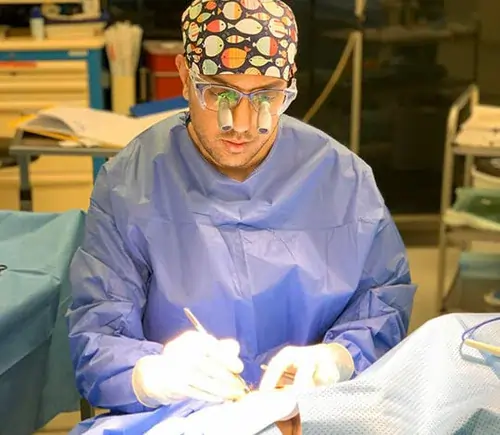
A mens tummy tuck is a procedure I carefully tailor to reshape the abdominal area by addressing loose skin, fat deposits and poor muscle tone. Whether it’s part of a larger weight loss journey or simply a step toward restoring a stronger, more masculine physique, this surgery offers both physical and psychological transformation when done with the proper planning and patient care.
What Is a Men’s Tummy Tuck?
Understanding Male Abdominoplasty
A male abdominoplasty, or tummy tuck for men, focuses on creating a natural-looking, flatter and firmer abdominal contour. This involves removing excess skin, addressing stubborn fat pockets, and repairing any weakened or separated abdominal muscles—a condition known as diastasis recti, which can result from weight fluctuations or aging.
Unlike female procedures, a male tummy tuck is designed to enhance the sharper angles and stronger lines of the male torso, avoiding over-sculpted or unnatural results. Skin thickness, fat distribution and muscle structure all require a male-specific approach.
Who Is an Ideal Candidate?
In my practice, I usually recommend a tummy tuck for male patients who are at or near their stable, healthy body weight but struggle with loose abdominal skin or laxity that doesn’t respond to diet and exercise. Typically, this follows significant weight loss, the natural aging process, or hereditary factors.
You should be in overall good health, not a heavy smoker, and have realistic expectations for what surgery can—and cannot—achieve. The goal is not perfection, but a noticeable improvement that aligns with your body and lifestyle.
Benefits of a Tummy Tuck for Men
Physical Transformation and Confidence
Many of my male patients seek abdominal surgery because they’ve worked hard to lose weight or improve their fitness—but excess skin or sagging tissue hides their progress. A tummy tuck helps reveal the efforts you’ve already made and restores confidence in how you carry yourself, whether at the beach, in the gym, or in everyday life.
You may also find that your motivation to stay active increases, since your core feels more supportive and your proportions are better aligned.
Correcting Abdominal Separation
In addition to excess fat or skin, some men experience laxity in their abdominal wall. When this occurs, no amount of crunches will solve the underlying separation. During surgery, I carefully suture the muscle fascia back into a tighter, midline position—a repair that not only improves the visual contour but also supports better posture and core function ✅.
In my experience, patients feel most reassured when they understand how a tummy tuck both reshapes and strengthens the core area.
Types of Male Tummy Tuck Procedures
Full vs. Mini Male Tummy Tuck
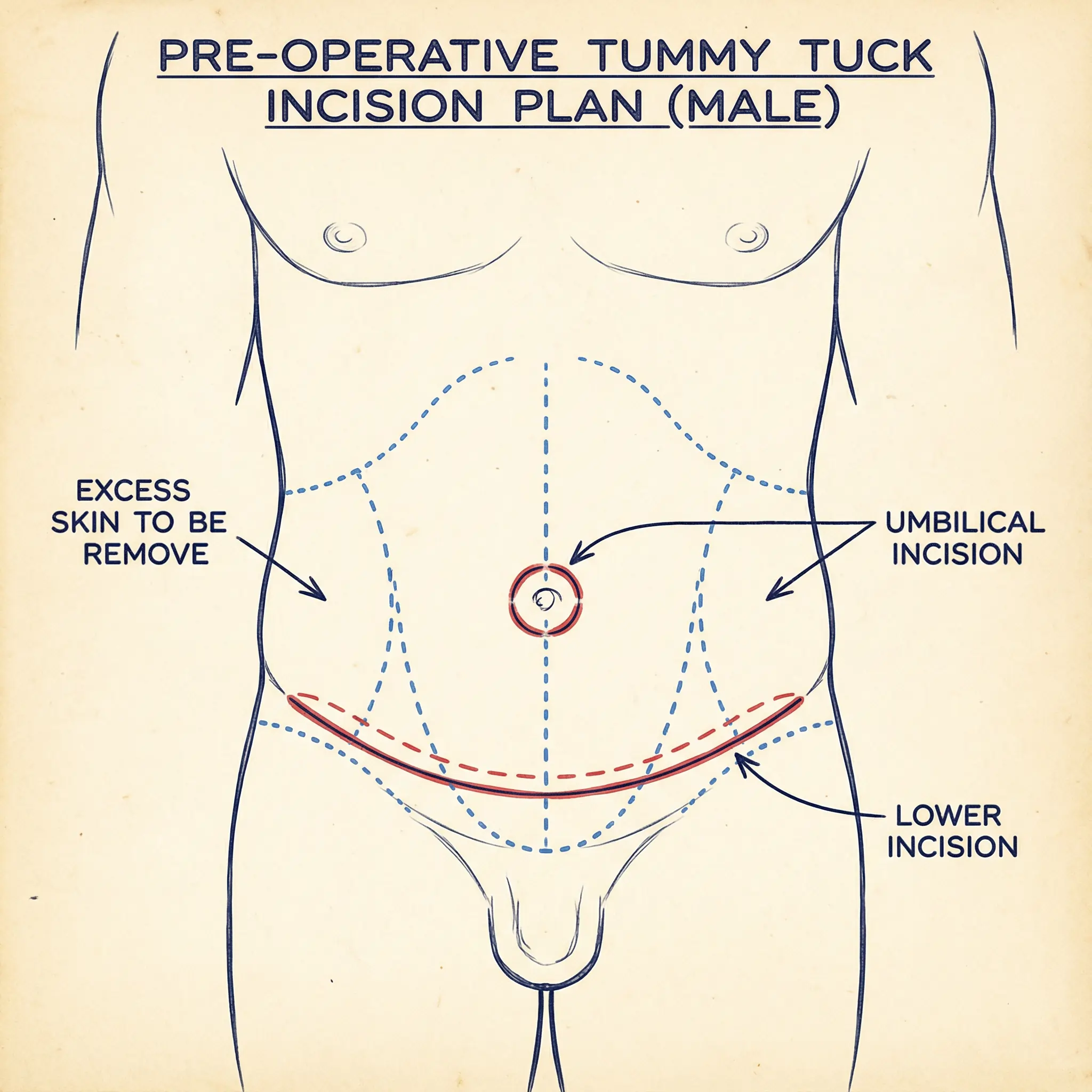
The extent of the procedure depends on how much tissue needs to be removed. A full tummy tuck addresses the entire abdominal area, including muscles above and below the navel. This involves an incision along the lower abdomen, which I position low enough to sit discreetly within most underwear or swimwear styles.
A mini tummy tuck, by contrast, is suitable for men with minor lower belly laxity and firmer upper abdomens. It requires a smaller incision and typically doesn’t involve repositioning the belly button. I only recommend this when it can deliver a meaningful improvement.
Liposuction Combined with Abdominoplasty
In many cases, I combine liposuction with a tummy tuck to target stubborn fat deposits along the flanks or upper abdomen. Think of this as a blending technique: liposuction allows me to smooth transitions between surgically tightened areas and adjacent tissue, ensuring a more natural and athletic shape.
Adding liposuction also helps avoid the “blocky” or flat look that can sometimes result from skin tightening alone. It’s especially helpful when dealing with love handles or wider waistlines.
Cost of a Men’s Tummy Tuck in Dubai
Average Price Ranges in Dubai
The cost of a mens tummy tuck in Dubai typically ranges between AED 25,000 to AED 40,000, depending on the extent of surgery and any additional procedures such as liposuction. Most patients are surprised to learn the price also includes anesthesia, operating theatre fees, and a set number of post-operative follow-ups.
It’s important to compare what’s included in the quote—not just the number itself.
Factors That Affect the Final Cost
Several elements influence the total cost. These include the experience of the surgeon, the accreditation and safety standards of the hospital, and the resources available for your surgical aftercare.
In my practice, I prioritize safety, infection control and surgical planning over price competition. The focus is always sustainable, natural results—not shortcuts that compromise long-term health.
What to Expect During the Surgery
Step-by-Step Surgical Process
Before your surgery, I make detailed preoperative marks to guide the incisions. Once under anesthesia, I typically begin by tightening the abdominal muscles, then removing excess skin and fat. If I’m also performing liposuction, that step is completed first to help preserve blood flow and tissue reliability.
The final steps involve careful suturing to close the incision with minimal tension, placement of temporary drains if needed, and dressing the area for support and hygiene.
Surgical Duration and Anesthesia
This surgery is done under general anesthesia and typically takes between two to four hours, depending on the complexity. You will wake up in a recovery room under close monitoring, and most patients go home a few hours later, or stay overnight if the procedure was extensive or combined with other surgeries.
Recovery Timeline and Aftercare Tips
Healing Stages: Week-by-Week Guide
During the first week, you’ll experience swelling, tightness and limited mobility. I recommend taking at least 10–14 days off work. By the second week, light walking becomes easier, and most patients can reduce pain medication significantly ✅.
By week four, you should be able to resume low-impact activities. Final scar maturation and internal healing takes 6–12 months, during which continued care and healthy habits make a big difference in your results.
Tips for Faster Recovery and Optimal Results
I often recommend that my patients wear a compression garment for at least six weeks to reduce swelling and support skin retraction. Staying hydrated, maintaining a protein-rich diet and avoiding nicotine are all key for good healing.
It’s also important to attend all follow-up appointments so I can monitor wound healing and make any small adjustments early, if needed ⚠️.
Risks and Potential Complications
Potential Side Effects and How to Prevent Them
Like any surgery, a tummy tuck carries risks such as infection, fluid build-up (seroma), changes in skin sensation or poor scar healing. While complications are rare in qualified hands, no procedure is completely without risk.
To reduce these chances, I use meticulous surgical techniques, prescribe antibiotics when needed, and educate patients on hygiene and movement during the healing process.
When to Contact Your Surgeon
If you notice signs like severe swelling, unusual pain, increasing redness or fluid leakage from the incision site, you should contact your surgeon without delay. Early intervention can prevent more serious issues.
In my practice, my team and I remain accessible throughout your recovery journey, as I believe ongoing communication is one of the safest ways to ensure smooth outcomes.
Before and After: Realistic Expectations
Visual Results Timeline
You’ll see changes immediately after surgery, though swelling may initially obscure final results. By the 6–8 week mark, the abdomen appears flatter and more defined, and by 3–6 months the majority of results are visible.
Final outcomes, including scar fading and full skin elasticity, can take up to a year. I always advise patience and consistent care during this time.
Long-Term Outcomes and Maintenance
A male abdominoplasty provides long-lasting results as long as you maintain a stable weight. Gaining significant weight after surgery can stretch tissues again, undoing the contouring work that’s been done.
Healthy lifestyle habits—especially core strengthening exercises, balanced nutrition and avoiding smoking—will help preserve your results well into the future.
Whether you're recovering from major weight loss or interested in refining your shape, a mens tummy tuck can deliver steady, natural-looking improvements. With careful planning, realistic expectations and proper aftercare, the benefits often extend beyond aesthetics.
If you're considering a mens tummy tuck in Dubai, I’d be glad to meet with you and answer your questions. My goal is always to help you make confident, informed decisions with your long-term well-being in mind.
FAQ Mens Tummy Tuck
Quick answers to start your journey. Your final plan is personalized after consultation.
How soon can I return to work after a men’s tummy tuck?

Most men return to desk jobs within 10–14 days. Physically demanding work may require up to 4–6 weeks of recovery.
Can a men’s tummy tuck help with stretch marks?
Yes. Stretch marks on the lower abdomen may be removed or reduced if they’re located in the skin excised during the procedure.
Will a male tummy tuck leave visible scars?
Scars are usually low on the abdomen and fade over time. Proper aftercare can help reduce visibility significantly.
Does men’s tummy tuck surgery affect abdominal muscles?
Yes. The procedure often includes tightening of abdominal muscles for better core strength and a flatter midsection.