.png)
Understanding and Managing Tummy Tuck Scars
Tummy tuck scars are a key consideration for patients exploring abdominoplasty in 2026. Understanding how scars heal and what to expect can better position your practice to guide prospective patients toward optimal cosmetic outcomes.

Patient Success Stories
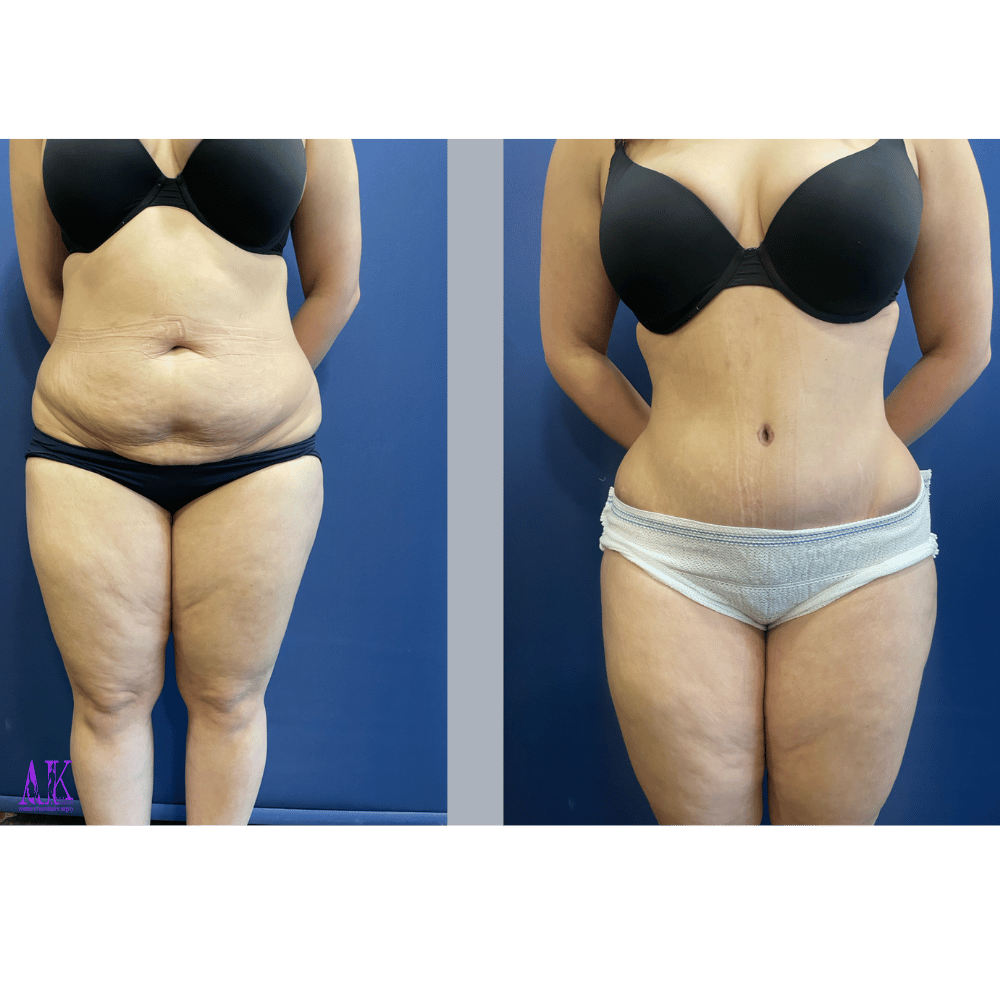
Elizabeth Huerta
Dr Kapadia Patient
.png)
Fatima Al-Hashimi
Dr Kapadia Patient
I’m Dr. Abizer Saifuddin Kapadia, Consultant Plastic, Aesthetic & Reconstructive Surgeon at the American Academy of Cosmetic Surgery Hospital in Dubai. With more than 15 years of surgical experience and over 3,500 procedures performed, I understand how crucial it is for patients to feel confident not just in their results—but in the recovery journey as well.
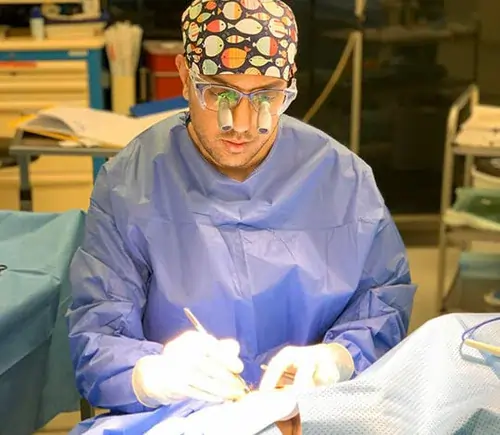
Scarring is an inevitable part of any surgery, but the appearance, behavior and fading of those scars can be positively influenced with proper planning and care. My goal is always to help you achieve natural-looking results with scars that are strategically placed, carefully closed and well-managed over time.
What to Expect Immediately After a Tummy Tuck
Initial scar appearance and location
Right after your abdominoplasty, the scar will look fresh, pink or reddish, and it may feel slightly raised or firm. Most tummy tuck incisions are placed just above the pubic area, positioned low enough to be hidden beneath underwear or swimwear whenever possible.
In a full tummy tuck, the incision usually extends from one hip to the other in a gentle curve. In a mini tummy tuck, it’s significantly shorter. I always aim to make incisions as low and discreet as your anatomy safely allows.
Normal early symptoms and scar sensitivity
It’s completely normal to experience itching, numbness, tightness or a pulling sensation around the incision for a few weeks. The scar may appear red and feel somewhat stiff, especially in the first few weeks after surgery—this is part of the body’s natural healing response.
As healing progresses, these symptoms gradually subside, but some degree of firmness or color change can persist for several months. Gentle care and patience are key during this phase. ✅
Healing Timeline for Tummy Tuck Scars
Week-by-week scar healing phases
In the first two weeks, the incision begins to close and initial inflammation settles. By the one-month mark, the scar may darken slightly and become firmer, which is expected as collagen production increases.
Between weeks four and twelve, the scar undergoes remodeling. It may look worse before it looks better. Over time, it softens, flattens and gradually fades. Most significant improvements in the scar's texture and color occur in the first year after surgery.
When do tummy tuck scars start to fade?
Most patients start noticing visible fading around the 3- to 6-month mark. Full scar maturation can take 12 to 18 months, depending on your skin, healing ability, and how well you’ve cared for the area.
A good healing environment—meaning reduced tension on the incision, protection from sun, and consistent scar care—can dramatically improve the long-term outcome.
In my experience, patients feel most reassured when they understand that scar healing is a journey, not a race.
Scar Placement and Types of Incisions
Mini vs full tummy tuck incision types
A mini tummy tuck requires a shorter incision, usually limited to the central lower abdomen. This procedure is best for patients with mild skin laxity and minimal muscle separation below the navel.
A full tummy tuck includes a longer incision spanning the hips, as well as one around the navel to reposition it. While this creates a longer scar, it allows for more significant contouring and muscle repair. I select the technique based on your anatomy and goals—not on trends.
Strategic scar placement along the bikini line
Whenever possible, I position the scar low enough to be covered by standard underwear or bikini bottoms. This placement is discussed during our consultation, so you can see exactly where your scar will be.
Precise suturing and careful tissue handling during surgery also play a critical role in minimizing the final scar’s thickness and visibility. ⚠️
How to Minimize the Appearance of Tummy Tuck Scars
Topical treatments, silicone gels, and sheets
Silicone-based scar gels or sheets are among the most effective topical options for improving scar appearance. I often recommend medical-grade products like Kelocote, which help soften, flatten, and lighten scars over time.
Begin using these treatments only after your incision is fully closed—usually around 2 to 3 weeks after surgery. Consistency is more important than the brand you choose.
The role of compression garments and massage
Wearing a compression garment after surgery isn't just for reducing swelling—it also helps prevent excessive tension on the healing incision, which can lead to raised or widened scars.
I typically advise patients to wear compression for up to 6 weeks. Gentle scar massage can also be introduced after the initial healing phase to improve circulation and tissue mobility.
Advanced options like laser or microneedling
If your scar remains thick, dark or raised after 6 months, we can consider clinic-based interventions. Laser treatments, microneedling, or steroid injections may all help reduce prominent scars.
In my practice, I recommend reassessing scars after one year to determine if any enhancement is worth pursuing. We always balance potential benefit with safety.
Factors That Affect Scar Formation
Skin type, age, and genetic tendencies
Some people naturally form thicker or more pigmented scars due to genetics. Darker skin tones may be at higher risk for hyperpigmentation or keloid formation. Age also plays a role: younger patients tend to produce more collagen, which can mean more pronounced scarring early on.
Understanding your individual risk helps us tailor both your surgical plan and aftercare. I’ll discuss these considerations with you during our pre-op consultation.
Lifestyle habits and sun exposure
Smoking, poor nutrition, and sun exposure are three major factors that can interfere with scar healing. Ultraviolet (UV) rays can darken healing scars and cause permanent discoloration, so protecting the area from sunlight is essential.
Avoid exposing your incision to direct sun for at least 12 months. Even under clothes, using SPF can give you added protection if you're in intense sunlight frequently.
Recovery Toolkit: What You Need for Ideal Scar Healing
Must-have supplies after surgery
I usually recommend that my patients prepare with a high-quality compression garment, gentle antibacterial cleanser, silicone-based scar treatment, and loose clothing that won’t irritate the incision.
Keeping the incision clean and dry in the early stages is key, followed by a consistent moisturizing and massage routine once healing allows.
Scar care do’s and don’ts
Do follow your post-op instructions carefully. Do start scar therapies only when approved. Don’t expose the area to heat, friction or UV light too early—and don’t pick at scabs or use unapproved creams that may irritate the healing tissue.
Your consistency in these small daily steps can make a dramatic difference in long-term results.
Common Questions About Tummy Tuck Scars
Will my tummy tuck scar ever go away?
Scars don’t completely disappear, but they do become much less noticeable over time. With the right care, the line can fade to a soft, flat mark close to your natural skin tone.
By the one-year point, most patients describe the scar as subtle and easy to forget—especially when it’s well-placed and concealed under clothing.
Can I revise or improve an old tummy tuck scar?
Yes, if you're bothered by a scar months or years after your tummy tuck, there are options. Surgical scar revision, laser resurfacing, and microneedling can all improve color, texture or symmetry.
The best approach depends on what specifically concerns you. I offer honest consultations to explore whether improvement is possible and worthwhile.
Psychological Impact of Scars and Patient Expectations
Managing expectations before and after surgery
Scars are part of your surgical story, and setting realistic expectations upfront can prevent disappointment later on. In our initial consultations, I always show before-and-after examples so you know what’s feasible for your specific case.
Healing isn’t just physical—it’s emotional, too. Being informed and prepared helps you keep peace of mind as your body transforms.
Building confidence with visible changes
Many of my patients share that—despite the presence of a scar—they feel more confident, comfortable and empowered in their bodies after surgery. Your confidence doesn't depend on having zero scars; it comes from feeling comfortable in your skin.
Embracing the changes with thoughtful care and a positive mindset is often the turning point in recovery success.
While tummy tuck scars are inevitable, they don’t need to be problematic. With the right preparation, follow-through, and perspective, you can achieve smooth healing and scar placement that respects both your anatomy and your lifestyle.
FAQ Tummy tuck scars
Quick answers to start your journey. Your final plan is personalized after consultation.
Are there natural remedies that help reduce tummy tuck scars?

Gentle massage with vitamin E oil or aloe vera may support healing, but always ask your surgeon before using natural treatments.
How does smoking impact tummy tuck scar healing?
Smoking reduces oxygen flow, delays healing, and may worsen scar appearance. Avoid it before and after surgery for best results.
Can tummy tuck scars stretch or widen over time?
Yes, tension on the incision or poor healing can cause stretching. Wearing compression and limiting movement helps protect the scar line.
Are tummy tuck scars treated differently for darker skin tones?
Darker skin may form keloids or hypertrophic scars; early treatment and close monitoring by a surgeon can reduce this risk.